REALOP

Logo of the Space and Satellite Systems Club featuring a stylized Earth, a satellite, and cosmic design elements, with the words "Space and Satellite Systems Club" around the border.

Space and Satellite Systems | UC Davis

Current Status

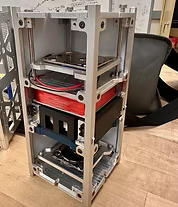
REALOP I is our ticket to space! Set to launch with NASA in mid-2026, this CubeSat is on a mission to prove that high-tech attitude control doesn’t have to come with a high price tag. Instead of traditional reaction wheels, we’re using… hard disk drives. Yep, the same kind found in old computers; because they’re cheap, perfectly balanced, and built to handle a rough ride.

With clever engineering and a whole lot of testing, REALOP I will spin, stabilize, and steer itself in orbit, all while showing that innovation doesn’t have to break the bank. It’s a small satellite with a big idea, changing how we think about affordable space tech.
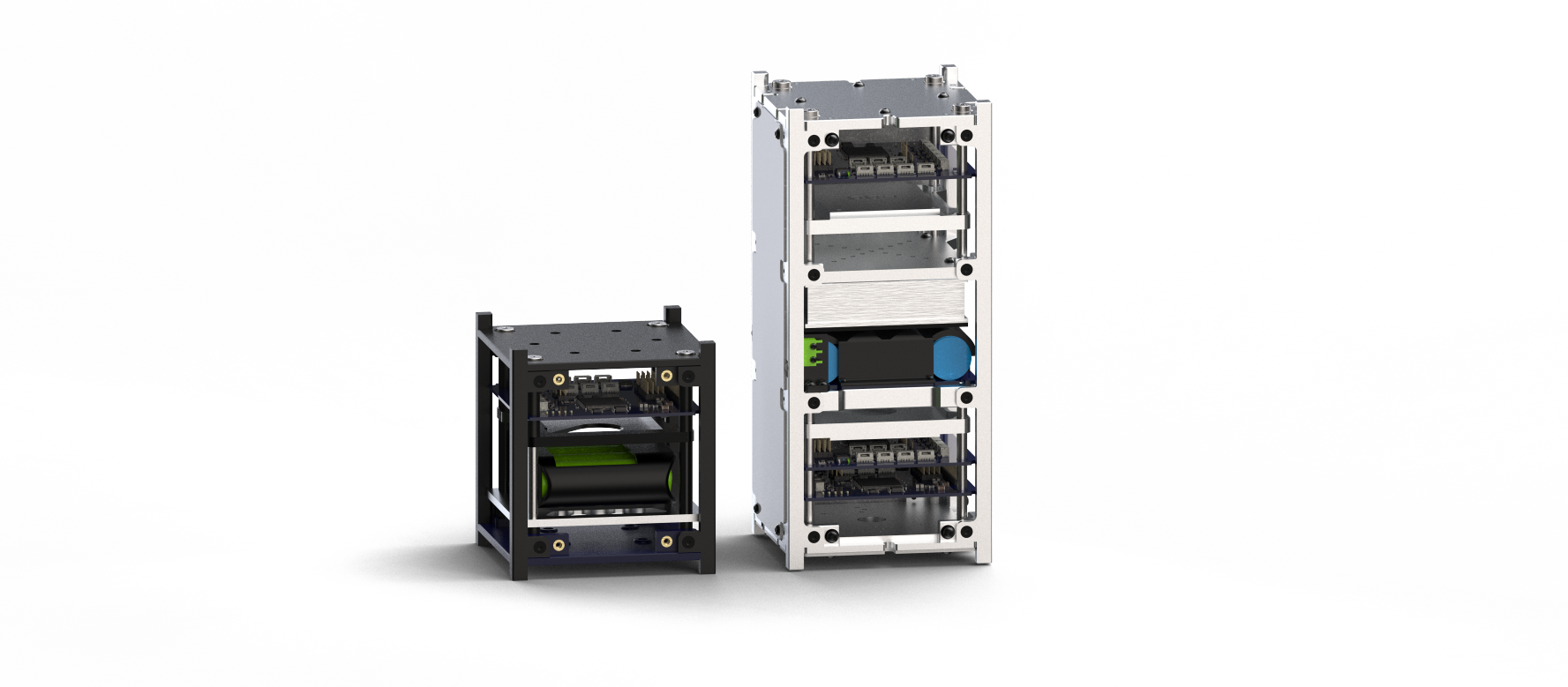
Comparing two electronic devices, smaller on the left with a black frame and larger on the right with a metallic frame, both showing internal components.
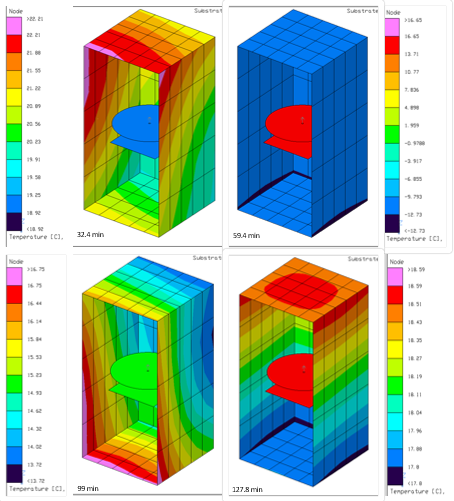
Four colorful 3D models of temperature distributions inside a vertical structure are displayed. Each model uses a color gradient to represent different temperature ranges, from blue (cool) to red (hot). The models include temperature scales in Celsius on the right for each diagram, with varying elapsed times indicated below each model.

REALOP I is heading to space, and space is not temperature-friendly. One side bakes in the sun, the other freezes in the void, so how do we keep our satellite from turning into a cosmic popsicle (or worse, a molten mess)? That’s where thermal analysis comes in.

We model heat transfer using radiation-dominated thermal simulations, predicting temperature fluctuations across all mission phases. By calculating thermal loads from solar radiation, Earth’s albedo, and deep-space cooling, we ensure every component stays within operational limits. Insulation, radiators, and strategic material choices help maintain thermal balance, preventing system failure due to extreme heat cycles.

By simulating extreme orbital conditions, we ensure every component stays within safe operating temperatures. No overheating, no freezing, just smooth sailing through the vacuum. Because in space, there’s no such thing as “room temperature.”
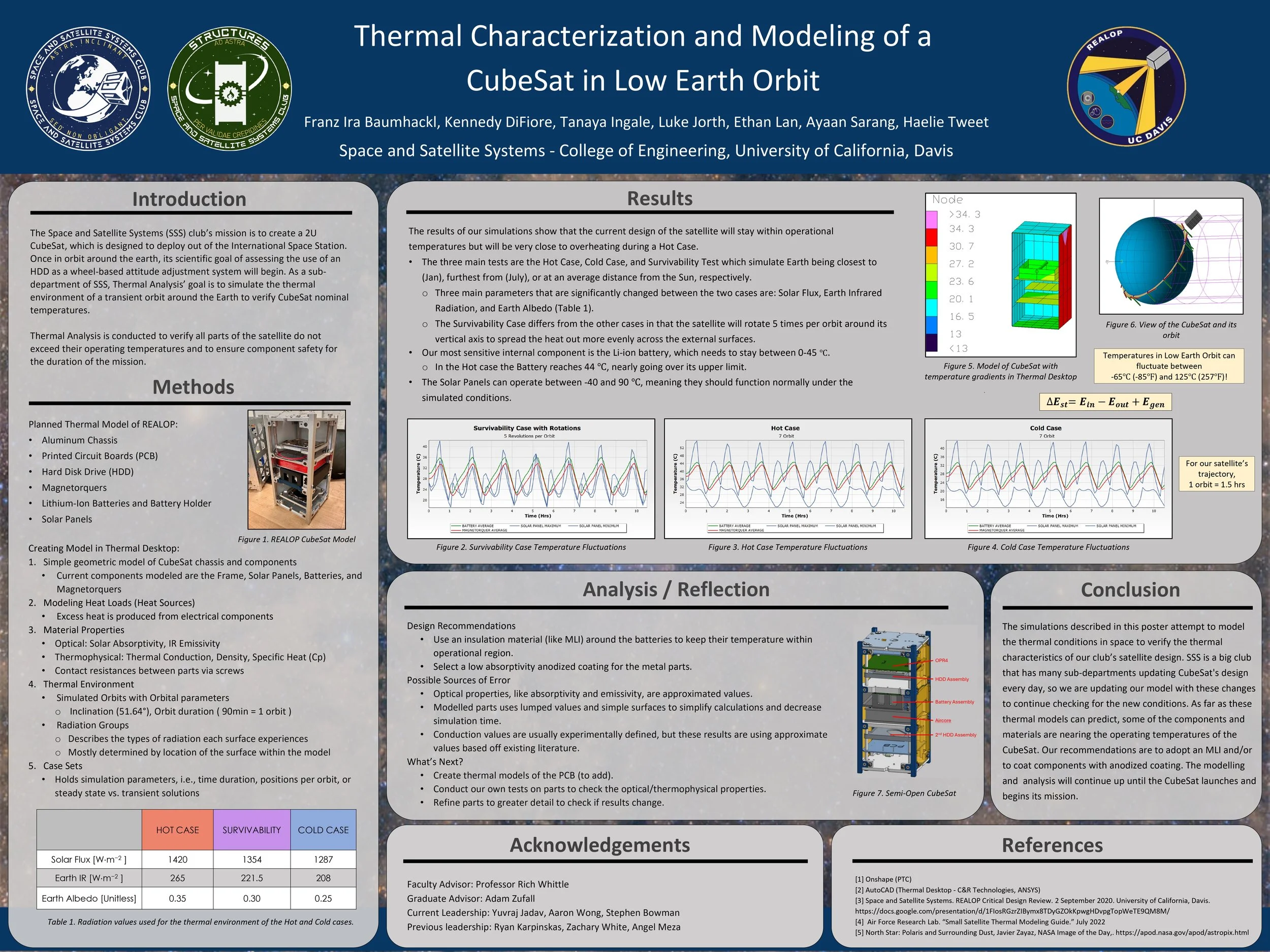
Poster titled 'Thermal Characterization and Modeling of a CubeSat in Low Earth Orbit' with sections on introduction, methods, results, analysis, conclusion, acknowledgments, and references. Includes charts showing temperature fluctuations for survivability, hot, and cold cases, and images of CubeSat models and components.
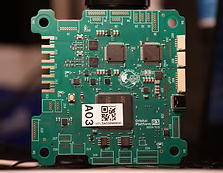
Green printed circuit board (PCB) with various electronic components and a QR code sticker.

Orbital Platform

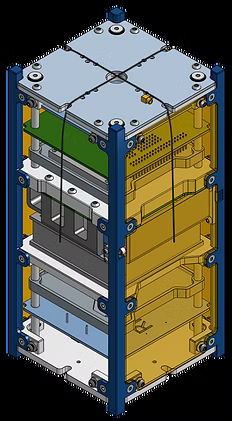
A detailed 3D model of an industrial electrical or electronic enclosure with multiple compartments, panels, and colored sections in blue, gray, green, and yellow.

REALOP Model

Current Status

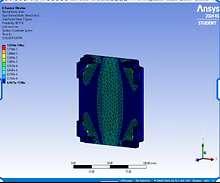
Finite element analysis simulation displaying stress distribution on a rectangular mechanical part, with a color scale from blue to red indicating stress levels.

Mechanical Analysis

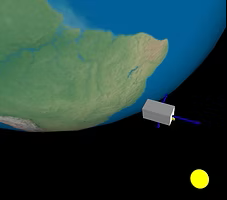
Satellite orbiting Earth with a yellow object nearby in space.

Sun Sensor Simulation

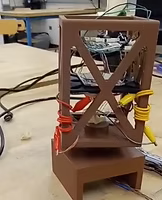
A small brown DIY electronic project with colorful wires connected to a circuit board, placed on a workbench.

HDD Testing

Open computer server rack with hardware components inside, placed on a wooden floor with office chairs nearby.

REALOP Assembly

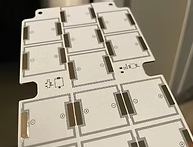
Close-up of multiple white electrical outlets on a wall.

Solar Panels

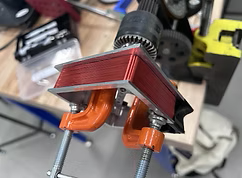
Close-up of a woodworking clamp holding a piece of red-painted wood in a workshop.

Coils Winding